
How Long Do Heat Pumps Last?
In London, ON, heat pumps often run through humid summers and long shoulder seasons, so it is normal to wonder how long they are built to last. Lifespan depends on the type of system, how hard it works, and whether airflow, drainage, and outdoor clearance are maintained. This guide explains what most homeowners can expect, what can shorten lifespan, and how to tell when replacement is worth considering. If you would like a second opinion on HVAC service in London, M&K Heating and Air Conditioning can confirm your system’s condition.
How Long Do Heat Pumps Last In Canada?
Most air-source heat pumps can last about 15–20 years, and some systems may last longer with proper installation and care. If you have a ground-source (geothermal) system, the indoor equipment can also be long-lasting, and the underground loop can have a longer service life than the mechanical components.
London Note: Weather can swing across the year, so run time and maintenance habits often matter more than a single “magic number.”
What Affects How Long A Heat Pump Lasts?
A heat pump’s lifespan is usually shaped by a few practical factors:
Installation quality and sizing
A system that is sized and set up correctly tends to cycle more normally and avoid unnecessary strain. If you are requesting quotes for heat pump installation in London, Ontario, ask how sizing, placement, drainage, and airflow are being handled, not just “what model is going in.”
How often does it run
Using a heat pump year-round (heating and cooling) can increase total operating hours over time. More hours can mean faster wear on moving parts, especially if the system is short-cycling.
Airflow and filtration
Restricted airflow (a dirty filter, blocked returns, or closed registers) can make the system work harder, increasing strain and reducing comfort.
Outdoor unit conditions
Leaves, snow, or tight clearance can affect performance and drainage around the outdoor unit. Clearance also matters for proper airflow across the coil.
Salt and moisture exposure
Some homes face a greater risk of corrosion than others (for example, from heavy road salt exposure near driveways or from consistently wet spots with poor drainage).
Can A Heat Pump Last 30 Years?
It can happen, but it is uncommon for typical air-source heat pumps. A more realistic expectation for many homes is still in the 15–20 year range, with longevity depending on installation, maintenance, and operating conditions.
If someone is promising “30 years” as the norm, treat it as a best-case scenario rather than the average. A condition check is the best way to understand what your specific system is showing in real time.
How Often Do Heat Pumps Need To Be Replaced?
Many homeowners start planning replacement when:
- The unit is nearing the typical lifespan range (often around 15–20 years), and
- Repair frequency or repair cost starts climbing, or
- Comfort becomes inconsistent even after basic troubleshooting.
If you are already searching for a heat pump replacement in London, it is worth getting a condition check first to determine whether it is a one-off repair or nearing the end of its life.
How Do I Know If My Heat Pump Needs Replacing?
Common signs a heat pump may be nearing replacement include:
Frequent repairs
More service calls in a short period, especially for major components.
Rising energy use
Higher electricity use than your normal seasonal pattern, after ruling out simple issues like filter or airflow restrictions.
Comfort problems
Longer run times, trouble maintaining setpoint, or uneven temperatures.
Loud or changing noises
New rattling, grinding, or persistent vibration.
Short cycling
Turning on and off more than usual (this can also be caused by thermostat issues, airflow restrictions, or control problems).
Ice or drainage issues that keep returning
If basic, homeowner-safe checks only provide temporary relief, the underlying cause may require professional diagnosis.
A technician can confirm whether the issue is airflow, controls, refrigerant-side performance, or normal wear. If you need heat pump support in London, Ontario, start with an inspection to determine whether repair or replacement is best, based on the unit’s age and condition.
What Maintenance Helps A Heat Pump Last Longer?
These are safe, practical steps that can reduce strain and help your system run more smoothly.
Homeowner OK
- Replace or clean filters according to your manufacturer’s recommended schedule (frequency varies by filter type and household conditions).
- Keep supply vents and returns clear (avoid blocking airflow with rugs or furniture).
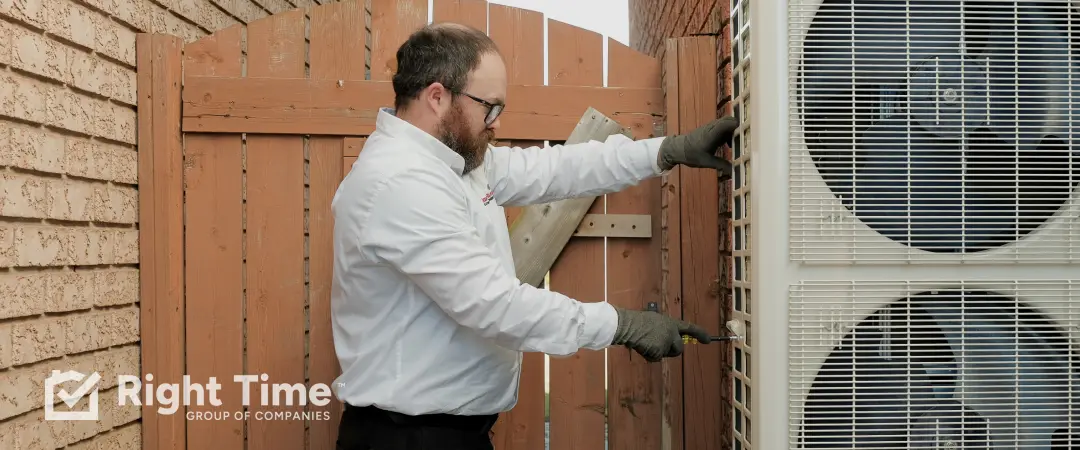
- Clear leaves and debris around the outdoor unit (turn off the power at the outdoor disconnect if you are doing a close cleaning).
- Keep outdoor clearance open so the unit can “breathe” and drain properly.
- If you notice recurring ice buildup, do not chip at it. Turn the system off and call for service.
Pro Only
- Electrical diagnostics and control testing
- Refrigerant-side testing and adjustments
- Coil deep-cleaning methods that require opening panels
- Repairs involving sealed components or internal refrigerant circuits
Many service visits take about an hour or so, depending on access and what the technician finds.
What If I’m Comparing Heat Pump Companies?
If you are comparing heat pump companies, focus on the basics that affect lifespan and reliability:
- the sizing method used (not guesswork),
- clear warranty terms and what is required to maintain coverage,
- outdoor placement and drainage plan,
- and whether service support is local for follow-up.
This matters just as much as the equipment brand, and it is a practical way to evaluate any HVAC company London homeowners are considering.
If you want a condition check or help planning next steps, book a heat pump assessment with M&K Heating and Air Conditioning.