
Heat Pump Troubleshooting Guide for Canadian Homeowners
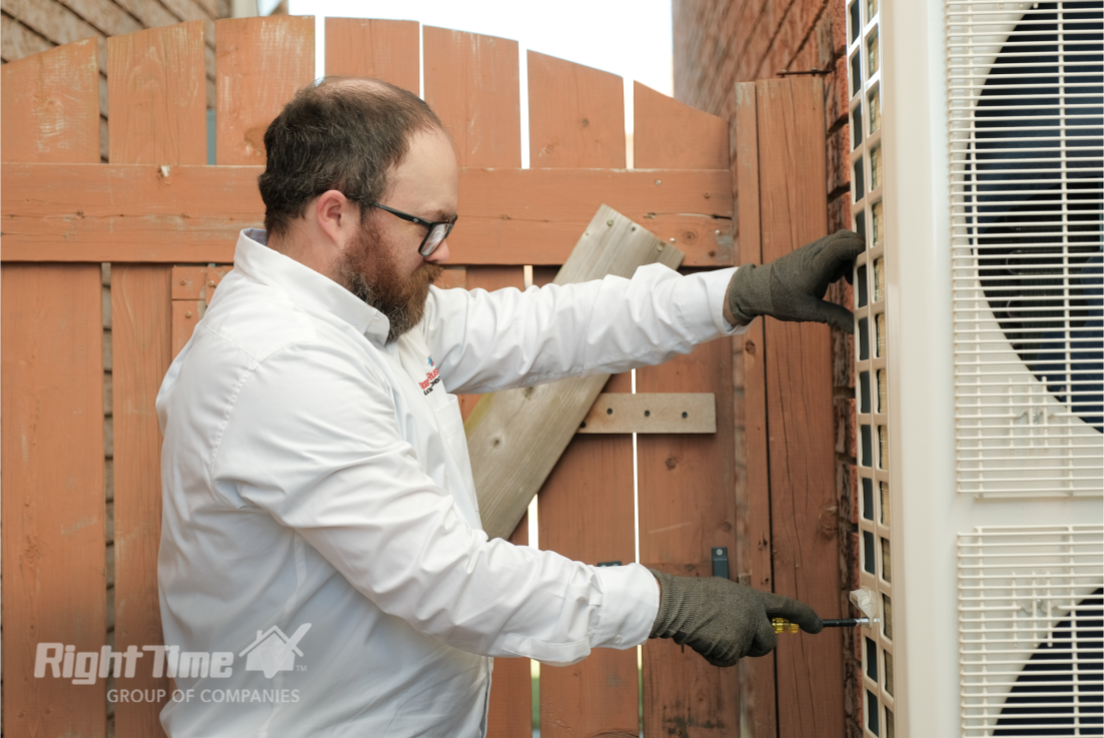
Is your heat pump leaving you out in the cold? Many Canadian homeowners face this frustrating reality, especially when winter temperatures plummet. While heat pumps offer efficient, eco-friendly heating, they’re mechanical systems that can develop problems affecting their performance. The encouraging news: most common issues have straightforward causes you can identify through troubleshooting at home before reaching for the phone to call a professional.
Understanding why your heat pump struggles is vital for restoring comfort to your living space. Whether you’re battling inconsistent heating, mysterious noises, or a unit that refuses to shut off, recognizing these warning signs puts you closer to a solution. This guide explores the most frequent problems homeowners encounter and walks you through basic diagnostic steps you can perform yourself. It helps you distinguish between DIY fixes and situations requiring a certified technician’s expertise. Being informed about your heat pump’s operation can save you significant time, money, and stress during Canada’s harshest months.
Common Heat Pump Issues in Canadian Winters
Canadian homeowners may encounter several issues with their heat pumps during the winter months, and understanding these problems can aid in timely troubleshooting and maintenance. One common issue is excessive defrosting cycles—heat pumps may enter defrost mode more frequently than normal, leading to inconsistent indoor temperatures and increased energy consumption. This can be caused by incorrect refrigerant charge, faulty defrost sensors, or inadequate drainage around the outdoor unit.
Another frequent problem is ice build-up on outdoor units. While a light frost is typical during cold weather, significant ice accumulation on the outdoor unit indicates potential issues with the defrost cycle or airflow obstructions, which can reduce efficiency and increase your energy bills. Continuous operation is another red flag: if your heat pump runs constantly without cycling off, it may be due to incorrect thermostat settings, insufficient home insulation, or an improperly sized unit for your space. This not only increases energy costs but also indicates that the system is struggling to maintain the desired temperature.
Unusual noises such as grinding, rattling, or buzzing sounds can signal mechanical issues like loose components or debris caught in the system. A noticeable drop in heating performance may result from low refrigerant levels, dirty filters, or malfunctioning components that require attention.
Basic Troubleshooting Steps You Can Do Yourself
Before contacting a technician, Canadian homeowners can perform several basic checks that may resolve the issue or help identify the problem. First, inspect your thermostat settings to ensure it’s set to the appropriate temperature (typically between 18°C and 22°C during winter) and confirm it’s in heating mode rather than cooling or fan-only mode. Next, check the power supply by verifying that your heat pump is receiving power—check your circuit breakers and ensure the unit is properly plugged in, as power interruptions are a common cause of apparent failures.
It’s also important to clear your outdoor unit regularly; remove any debris, snow, or ice from around the outdoor unit to maintain proper airflow, which is essential for efficient operation in Canadian winters. Examine your air filters and clean or replace dirty filters to ensure efficient airflow and optimal heating performance—clogged filters are one of the most common and easily preventable causes of heat pump problems.
If your unit displays error codes, refer to the manufacturer’s manual to interpret them and follow the recommended actions. Finally, try performing a power reset by turning off the heat pump, waiting for a few minutes, and then turning it back on to reset the system. This simple step can often resolve minor electronic glitches and restore normal operation without requiring professional intervention.
When to Call a Professional for Heat Pump Repair
Certain heat pump issues demand immediate professional intervention. Persistent error codes that survive basic troubleshooting suggest deeper mechanical problems requiring expert diagnosis. Refrigerant complications—including potential leaks or low levels—must be handled exclusively by certified technicians, as Canadian regulations strictly control refrigerant management and handling these substances without proper training can be dangerous.
Electrical anomalies like frequently tripped breakers or suspicious wiring patterns signal serious risks that should always be addressed by qualified professionals. Mechanical failures manifest through unusual operational sounds or dramatic performance drops, indicating potential component breakdowns that need expert diagnosis and repair.
When selecting a repair service, prioritize certified professionals with demonstrated heat pump expertise. Verify technician credentials, examine customer reviews, and compare service quotes. Inquire about warranties on repair work to protect your investment, and confirm the service provider can respond promptly, especially during winter months when delays can leave your home without adequate heating. A strategic repair approach can prevent costly system failures and ensure your home remains comfortably heated through the most challenging winter months.
Heat Pump Repair Services
Ensure your home stays cozy and efficient this winter with expert heat pump repair by M&K Heating and Air Conditioning. Our certified technicians provide top-notch service to quickly address any issues with your heat pump, ensuring it operates smoothly and efficiently. Whether you’re dealing with unusual noises, inconsistent heating, or persistent error codes, our team is ready to help. Trust M&K Heating and Air Conditioning to keep your system running optimally, so you can enjoy a warm and comfortable home throughout the harsh Canadian winter. Contact us today for reliable and professional service.