
How To Tell If My Furnace Is Gas Or Electric?
How Do I Know What Kind Of Furnace I Have?
Look for the furnace rating plate (best first step)
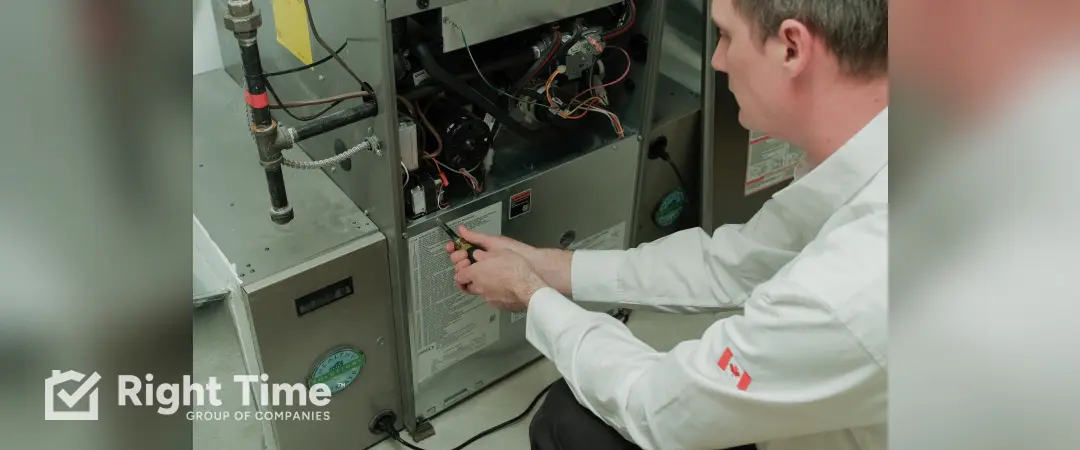
Most furnaces have a manufacturer’s label (rating plate) on the outside of the cabinet or just inside an access panel. Do not remove panels if they are sealed or screwed tight. Look only for any label you can see without disassembly. The label often lists a fuel type such as natural gas, propane (LP), or electric.
Check for a gas line and shutoff valve (visual only)
A gas furnace will have a metal gas pipe leading into the unit, typically with a shutoff valve nearby. If you can clearly see a gas pipe that connects directly into the furnace cabinet, that is a strong sign you have a gas furnace. Do not touch valves or attempt adjustments.
Look for venting to the outdoors
Gas furnaces must vent combustion gases outside. Depending on the model, you may see:
- A metal flue pipe going to a chimney, or
- White plastic (PVC) pipes running to an exterior wall (common on high-efficiency furnaces)
Electric furnaces do not produce combustion gases, so they do not need a flue for exhaust.
Check your utility bill
If your home uses natural gas and your winter gas use increases when the heating is running, that can be a strong clue you have a gas furnace. Keep in mind that other gas appliances (like a gas water heater or fireplace) can also affect winter gas use. Electric furnaces are more likely to show higher electricity use during the heating season.
Important note: gas furnaces still use electricity
Even if your furnace is gas, it still needs electricity for the blower motor, control board, and ignition system. That means a gas furnace can stop working during a power outage.
What Does A Gas Furnace Look Like?
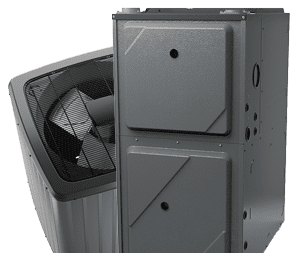
A gas furnace typically has these visible features:
Burner and combustion area (pro-only for inspection)
Inside the cabinet is a burner area where natural gas or propane is burned to create heat. Homeowners should not open sealed panels or access combustion components. During a professional inspection, a technician checks ignition, combustion performance, and venting safety.
Heat exchanger
The heat exchanger transfers heat from the combustion process to the air circulating through your ductwork. It is not usually fully visible without opening panels, which is a professional task.
Vent pipe to the outdoors
As noted above, gas furnaces vent to the outdoors. Seeing a flue or PVC venting is one of the clearest signs that you have a gas furnace.
Ignition system (not always a pilot light)
Older systems may have a standing pilot, but many modern gas furnaces use electronic ignition (such as a hot surface igniter). If someone says “pilot light,” it may be true for older equipment, but it is not universal.
Safety reminder for gas heating
If you ever smell gas (often described as sulphur or rotten eggs), leave the area and call your gas utility or emergency services from a safe location. For many London-area homes, Enbridge Gas provides specific emergency steps. Also, test carbon monoxide alarms regularly and follow local code and manufacturer guidance.
What Does An Electric Furnace Look Like?
Electric furnaces are usually simpler around the cabinet because there is no combustion.
No gas line, no exhaust flue
The biggest visual clue is what you do not see: there is no gas pipe feeding the unit and no combustion exhaust venting.
Electric heating elements inside the cabinet
Electric furnaces heat air using electric heating elements (often arranged as coils or strips). These are inside the cabinet and should not be accessed by homeowners.
Larger electrical connection
Electric furnaces often have a substantial electrical supply and may be paired with a disconnect switch. You may also notice the furnace is tied to a higher-capacity circuit. Do not open your electrical panel unless you are trained and it is safe to do so.
Can I Open The Furnace To Check The Burner Compartment Myself?
In most homes, no. This is a pro-only area for safety reasons. Opening panels can expose electrical components, sharp edges, or combustion parts that should only be handled by qualified technicians.
Homeowner OK:
- Read the rating plate you can see without disassembly
- Visual check for a gas line and venting
- Check your utility bills
- Basic thermostat settings
Pro Only:
- Opening sealed cabinet panels
- Any combustion or venting inspection
- Gas pressure checks
- Electrical diagnostics
- Carbon monoxide testing
What If I Still Cannot Tell?
If the rating plate is hard to find, the venting is not obvious, or your home has mixed systems, it is normal to feel unsure. During a routine service visit, a technician can confirm whether your furnace is gas- or electric-powered and identify the key indicators for your specific model.
If you want a professional confirmation (or you are booking furnace maintenance in London), book a visit with M&K Heating and Air Conditioning. If your system is not heating properly, our team also supports furnace repair in London, Ontario.